

Mohs Surgery: The Gold Standard in Skin Cancer Treatment
Precision surgery with the highest cure rates and best cosmetic outcomes, performed by fellowship-trained experts.
When it comes to skin cancer, experience and expertise matter.
Why Choose Golden State Dermatology for Mohs Surgery?
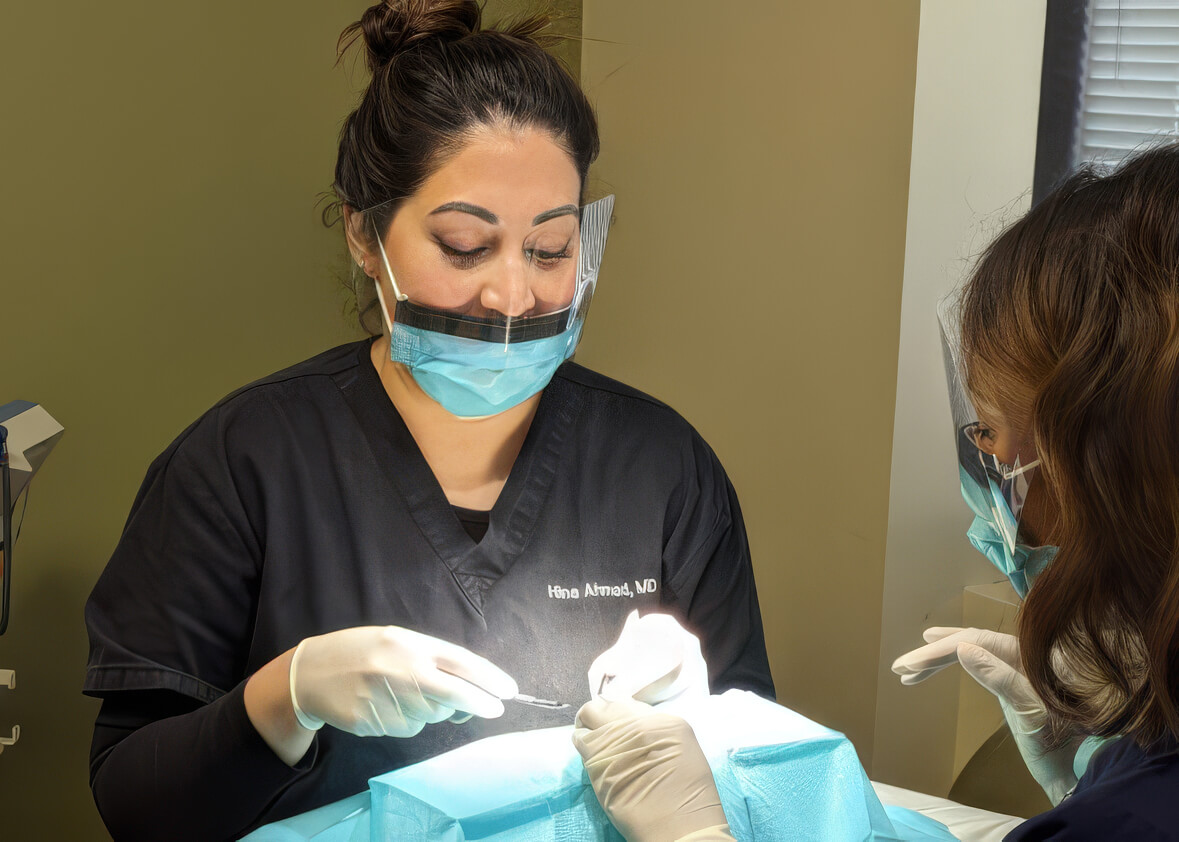
Unmatched Expertise: Fellowship-trained Mohs surgeons with decades of combined experience and thousands of successful procedures delivering 99% cure rates for previously untreated skin cancers.
Superior Cosmetic Outcomes: Access to fellowship-trained facial plastic surgeons for advanced reconstruction ensures the best possible aesthetic results, especially in cosmetically sensitive areas.
Convenient California Locations: With Mohs surgeons at over 15 locations across the Western US, expert skin cancer care is always within reach.
Comprehensive Coordinated Care: From diagnosis through treatment and follow-up, your entire care team works together seamlessly to support your journey to cancer-free skin.
What Is Mohs Micrographic Surgery?
Mohs micrographic surgery is a state-of-the-art treatment for skin cancer that yields the highest cure rates of any skin cancer treatment, approaching 99% for previously untreated tumors. This advanced procedure is performed in our office using local anesthesia, with your surgeon serving as surgeon, pathologist, and reconstructive specialist all in one.
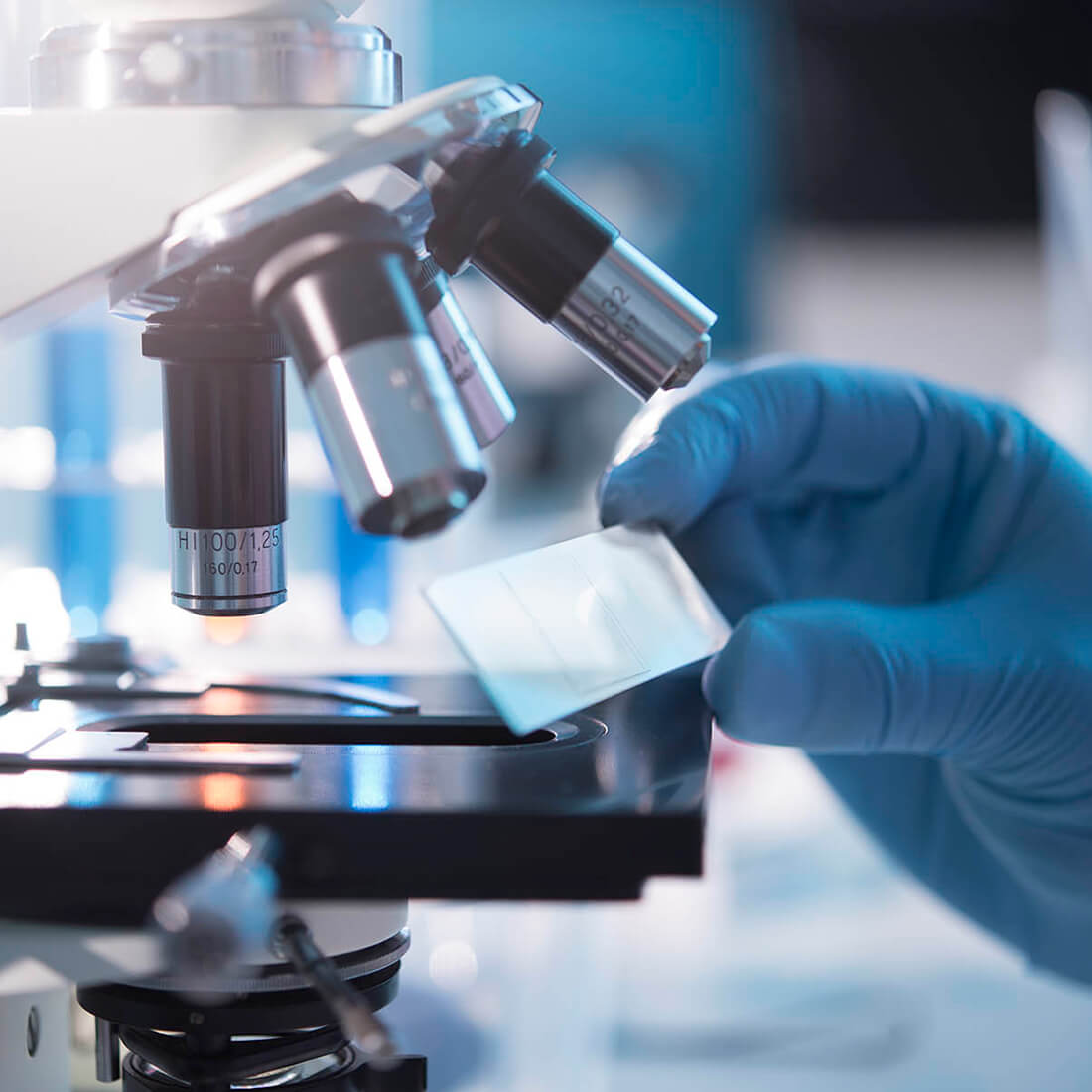
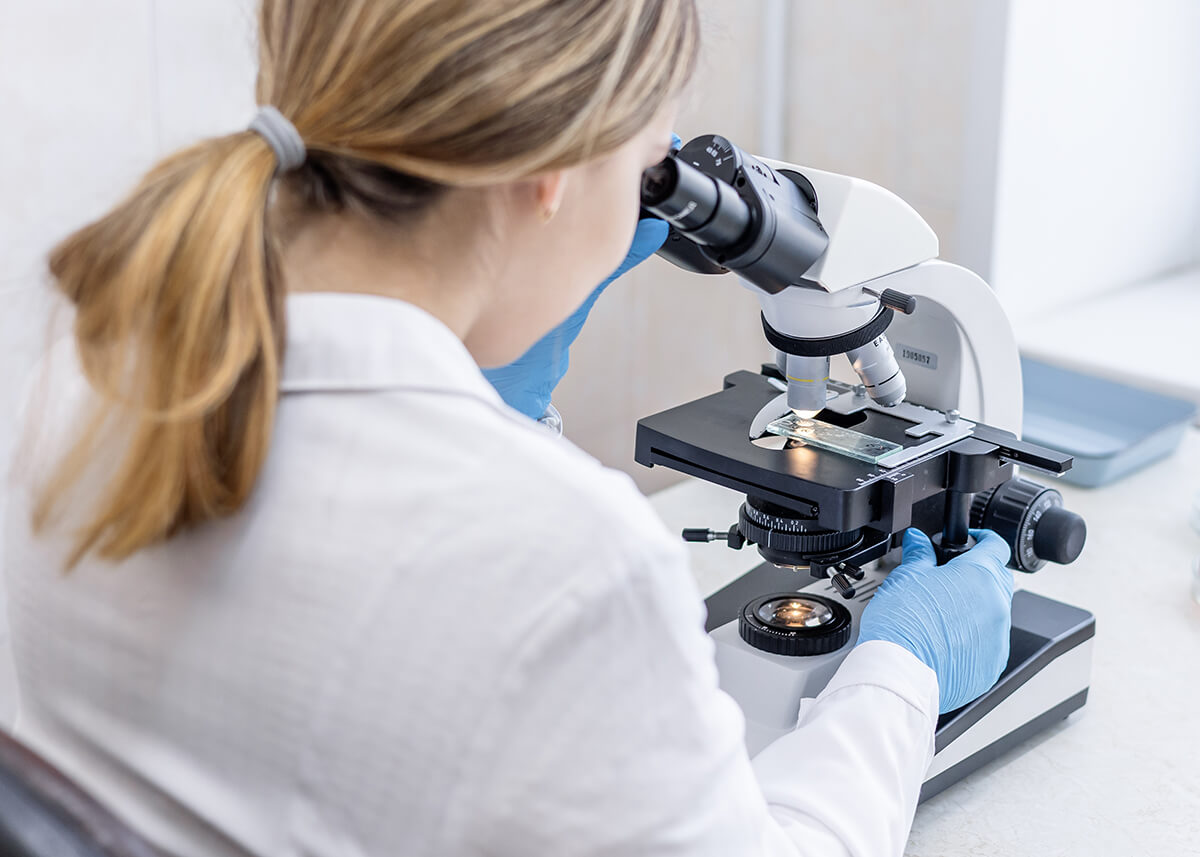
Unlike traditional skin cancer removal methods, Mohs surgery examines 100% of the tumor margins under a microscope to trace and ensure complete removal of cancer cells that may extend beyond what’s visible to the naked eye.
This precision approach removes all cancer while preserving the maximum amount of healthy tissue, resulting in the smallest possible surgical defect and the best cosmetic outcome.
Why Mohs Surgery Offers Superior Results
The remarkable cure rates of Mohs surgery come from our unique tissue processing method. After removing the skin cancer, we create horizontal sections that allow us to examine 100% of the surgical margins microscopically.
Traditional methods use vertical sectioning, where tissue is cut like a loaf of bread and only the edges are “sampled.” This approach examines less than 1% of the true surgical margins, which may miss areas where cancer extends beyond the wound edges.
It’s this comprehensive examination that makes Mohs surgery the most effective skin cancer treatment available.
Cure Rates:
When Is Mohs Surgery Recommended?
Your dermatologist may recommend Mohs micrographic surgery when the cancer has poorly defined borders, is large, or has recurred after previous treatment. Mohs is the preferred treatment for cancers in cosmetically sensitive areas like the nose, ears, eyelids, and lips where preserving healthy tissue is essential.
We also use Mohs for aggressive or fast-growing cancers, those with high-risk microscopic features, cancers that track along nerves, or tumors that have been incompletely removed in the past.
Learn More About Skin Cancer Types:
Basal Cell Carcinoma Melanoma Squamous Cell Carcinoma Actinic Keratoses
Skin Cancer Reconstruction
After your cancer is completely removed, reconstruction begins. Your surgeon determines the best approach based on the size and location of the wound, always prioritizing both function and aesthetics.
Small wounds may heal naturally or be closed with stitches. Larger or more complex wounds often require reconstruction with a skin flap, which uses adjacent lax skin, or a skin graft, which uses skin from another area of your body. Facial wounds receive special attention to ensure the most natural-looking results. Your surgeon will discuss all options and their benefits during your procedure.
Learn More About Skin Cancer ReconstructionWhat to Expect on Surgery Day
Plan for a Full Day
Mohs surgery timing varies based on tumor involvement and reconstruction complexity. Each layer requires approximately one hour to process. If cancer persists at the margins, additional layers are needed, adding about an hour each. Reconstruction takes an additional hour or more. We ask all patients to clear their schedule for the entire day and plan accordingly.
Before Your Procedure
Eat a normal breakfast, since we use local anesthesia, there’s no need to fast. However, please avoid caffeine on surgery day, as it can cause over-stimulation when combined with the epinephrine in local anesthetic. Most patients drive themselves to their appointment, though a driver is required if you receive oral pain or anti-anxiety medications, or if you have swelling near the eyes that may affect vision.
During Your Procedure
We minimize discomfort throughout the process. Before injecting local anesthesia, we often apply topical anesthetic to the area. An additional anesthetic is administered as needed, and oral medications for pain or anxiety are available if necessary.
After Your Procedure
Expect some bruising and swelling, especially for surgeries around the eyes or lips. These effects are most pronounced during the first day or two and typically resolve within a week. You’ll wear a larger bandage for the first one to two days, then switch to a smaller one. Many patients return to work the next day, though they may have visible bandaging and some bruising.
Recovery and Results After Mohs Surgery
While all surgery creates scars, Mohs surgery minimizes scarring by removing the smallest amount of healthy tissue necessary. Your surgeon chooses the most appropriate reconstruction technique to achieve the best aesthetic outcome and provides detailed post-operative care instructions to promote optimal healing.
Facial and neck sutures are typically removed between days 5 and 7, while scalp, torso, and extremity sutures are removed between days 12 and 14. Most patients heal with barely visible scars, though some wounds may take several months to completely settle.
A small percentage of patients benefit from touch-up procedures or laser treatments to achieve the highest possible aesthetic outcome. Successful results depend on three key factors: surgical skill, proper post-operative care, and your body’s natural healing ability.

Frequently Asked Questions
Will I be awake during the procedure?
Yes, Mohs surgery is performed under local anesthesia, so you’ll be awake but comfortable throughout the procedure.
How long will I be at the office?
Plan for a full day. The procedure takes several hours, depending on how many layers are needed, plus reconstruction time. Much of this involves waiting while tissue is processed.
Can I drive myself home?
Most patients drive themselves, unless they receive oral sedation or have swelling that affects vision.
Will it hurt?
We use local anesthesia and can provide additional pain medication or anti-anxiety medication as needed. Most patients report minimal discomfort.
When can I return to normal activities?
Many patients return to work the next day with a bandage. Avoid strenuous activity for one to two weeks or as directed by your surgeon.
Will I need additional treatment?
Mohs surgery has the highest cure rate of any skin cancer treatment. Follow-up appointments monitor healing and watch for any new skin concerns.

Get Started
Take the First Step
If you’ve been diagnosed with skin cancer or have a concerning lesion, don’t wait. Early treatment with Mohs surgery offers the best possible cure rates and cosmetic outcomes.
Our fellowship-trained Mohs surgeons are accepting new patients at multiple locations throughout the Western US. Contact your nearest location to discuss whether Mohs surgery is right for you.