

Dermatology
Psoriasis
What Is Psoriasis?
Psoriasis shows up as sharply defined red, scaly patches on the skin. It may come on at any age but is usually linked to some family history of the same condition. The most commonly affected regions are the elbows, knees, and scalp, though it can occur anywhere.
Psoriasis is traditionally treated with topical steroids, topical tar, and topical Vitamin D ointments and creams. In some cases, a laser or ultraviolet light therapy may be used in addition to the topical and oral medications. The newest treatments available are biologics, given as injections.

This chronic disease is the result of a person’s immune system sending faulty signals telling the skin cells to grow quicker than normal. Instead of having new skin cells forming in weeks, they form in days. The cells pile up on the surface of the skin developing psoriasis patches, and because the body does not shed the excess skin cells, the patches end up being rough and thick.
You cannot get psoriasis from touching someone who has it, as it is not contagious. A person must inherit the genes that cause it to form. While the disease does have a hereditary component, an external trigger, such as an infection, drugs, or mental stress, is what ultimately prompts the inflammation.
Here are some types of psoriasis:
- Plaque
- Guttate
- Inverse (flexural psoriasis or interiginious psoriasis)
- Pustular
- Erythrodermic (exfoliative psoriasis)
It is common for a person with psoriasis to have more than one type, or a person will have one type of psoriasis and then later on in life, develop a different type. Although psoriasis is not curable, the treatments available are often able to reduce symptoms.
Treatments For Psoriasis
While there is no cure for psoriasis, there are many treatment options that can help manage symptoms and improve your quality of life. The choice of treatment often depends on the severity of the condition, ranging from topical therapies for mild cases to more advanced options for moderate to severe psoriasis.
At Golden State Dermatology, we offer a variety of psoriasis treatment options, such as:
Topical Therapies
Topical treatments are typically the first line of defense against psoriasis, especially for mild to moderate cases. These include options like:
- Corticosteroids: These anti-inflammatory medications help reduce redness, itching, and swelling.
- Keratolytic Agents: These help to remove scales and smooth the skin.
- New Therapeutics: Innovative treatments like Zoryve and VTAMA work to clear plaques effectively.
Topical treatments are applied directly to the affected areas and work well for managing mild psoriasis.
Phototherapy

Phototherapy involves exposing the skin to specialized light energy to reduce inflammation and resolve plaques. One advanced form of phototherapy is XTRAC Laser Therapy.
XTRAC Laser Therapy is a highly effective treatment for plaque psoriasis. This treatment can be performed on any part of the body affected by psoriasis and is perfect for challenging areas such as the scalp, knees, and elbows, which are notoriously hard to treat with other methods.
XTRAC is safe for virtually all patients, including children and women who are pregnant and nursing, and most patients feel no pain or discomfort with treatment. The treatment sessions take only 10 to 15 minutes, and most people see noticeable results within 3 to 4 treatments and total clearance within 10 to 20 treatments.
Oral Therapy
For more severe cases of psoriasis, your doctor may recommend starting oral medications. These systemic treatments work throughout the body to address the underlying causes of psoriasis.
Apremilast is an oral medication that works to reduce inflammation and clear psoriasis. It’s particularly useful for patients who haven’t responded well to topical treatments or who have psoriasis in hard-to-treat areas.
Biological Agents
Biological agents represent some of the most advanced treatments available for psoriasis. These are typically reserved for moderate to severe cases that haven’t responded well to other treatment options.
Biological agents are administered via injection and work by targeting specific parts of the immune system. They effectively allow the immune system to function normally and reduce inflammation, often leading to significant improvement in psoriasis symptoms.
How Do I Know Which Treatment Option is Best for Me?
Living with psoriasis can be challenging, but with the right treatment approach, many people achieve significant relief from their symptoms. It’s important to work closely with your dermatologist at Golden State Dermatology to find the most appropriate treatment plan, as what works best can vary from person to person.
Remember that psoriasis treatment is often a process of trial and error. Your dermatologist may need to adjust your treatment plan over time to find the most effective combination for you.
Additionally, because psoriasis is a chronic condition, long-term management is key. While psoriasis cannot be cured, the goal of treatment is to achieve and maintain clear skin, reduce inflammation, and improve overall quality of life.
With the range of treatments now available, from topical therapies to advanced biological agents, many people with psoriasis are able to effectively manage their condition and lead full, active lives.
Do you want to learn more about psoriasis treatment options? Contact the specialists at Golden State Dermatology with locations across the Western US today!
Provided at These Locations


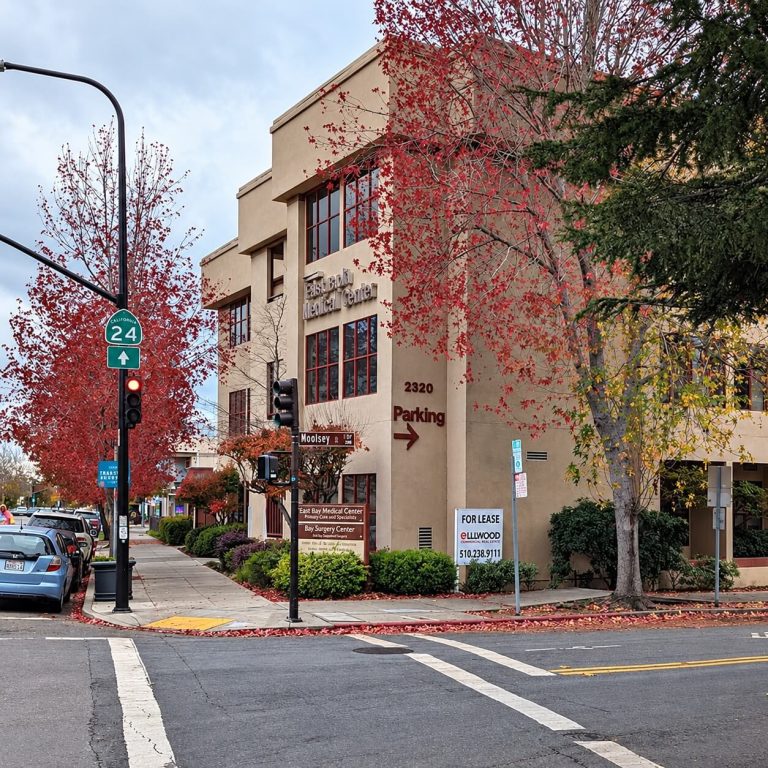



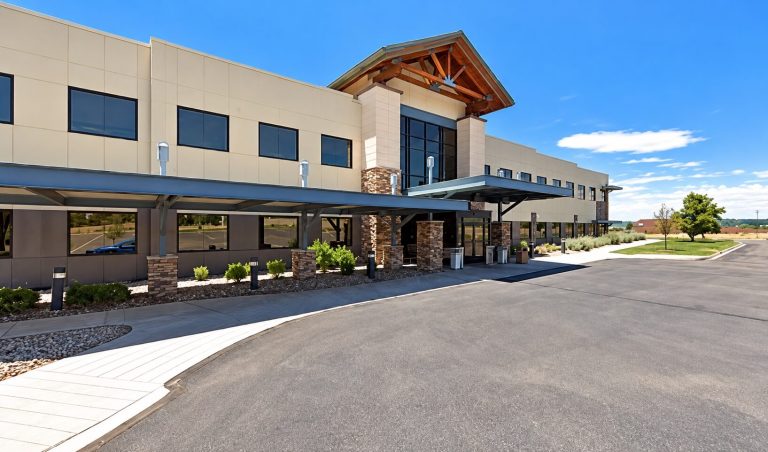

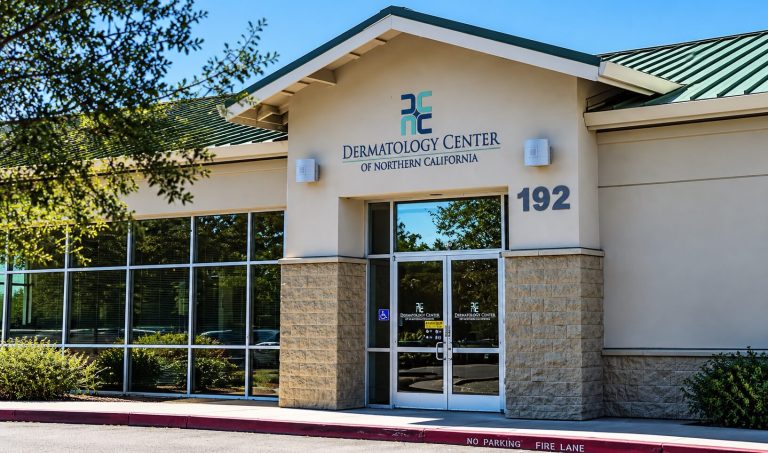


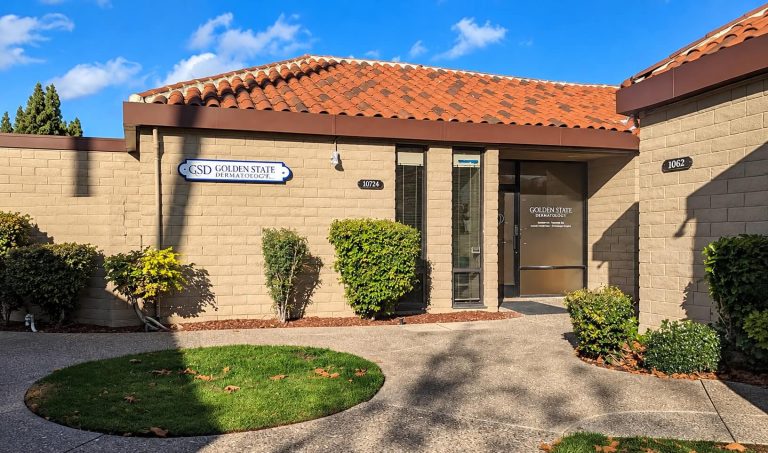
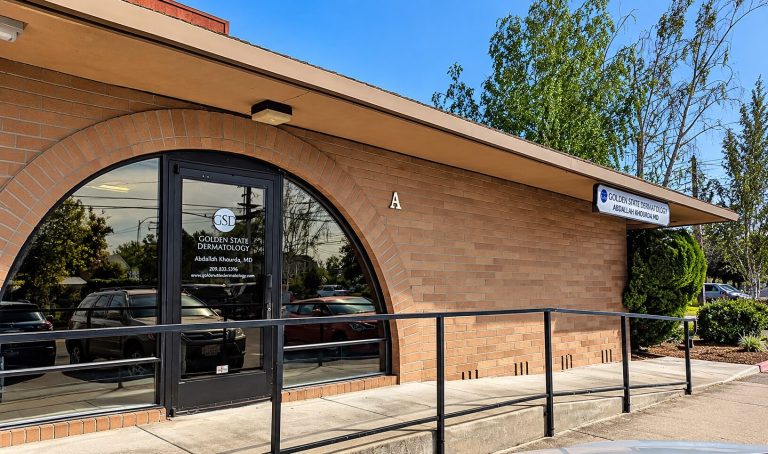




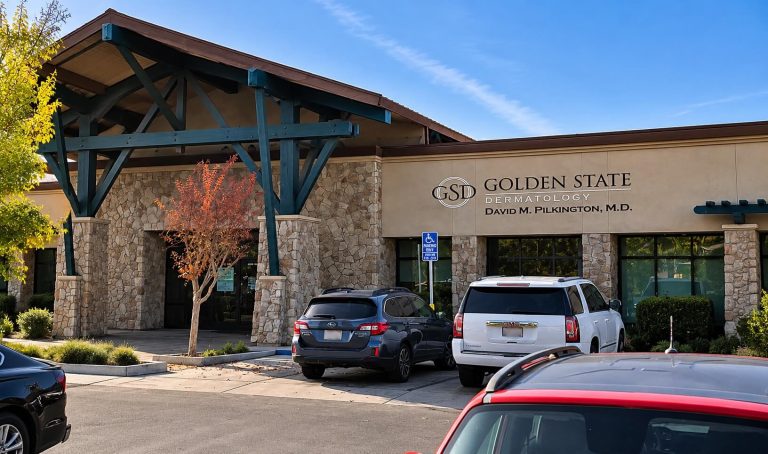
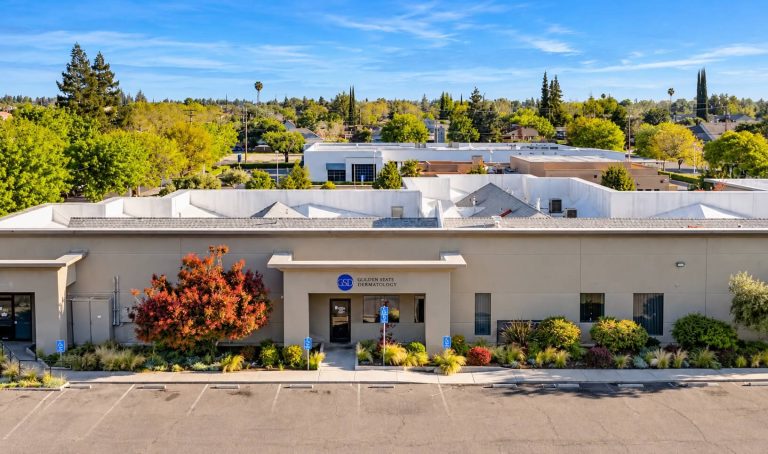

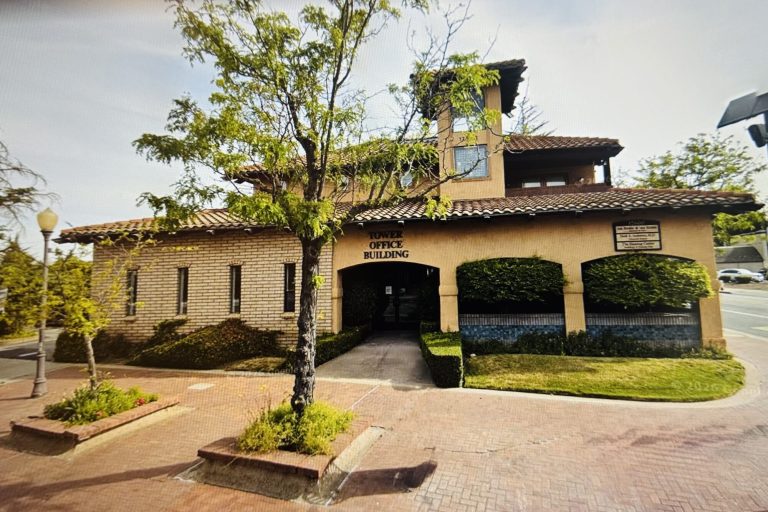








Walnut Creek – Ygnacio Valley
2255 Ygnacio Valley Road, Ste. B-1
Walnut Creek, CA 94598