

Dermatology
Basal Cell Carcinoma
What Is Basal Cell Carcinoma?
Basal cell carcinoma is the most common form of all skin cancers, affecting more than 800,000 Americans each year. The incidence of this skin cancer has increased steadily over the past several decades and the average age of onset of the disease has steadily decreased.
Like most forms of skin cancer, basal cell carcinoma is typically caused by over-exposure to the sun or other forms of ultraviolet radiation, such as tanning booths. Therefore, basal cell carcinoma frequently appears on parts of the body that are most likely exposed, such as the head and neck, shoulders, back, or extremities. Patients with fair skin, blonde or red hair, and blue or green eyes are at the greatest risk of developing basal cell carcinoma.
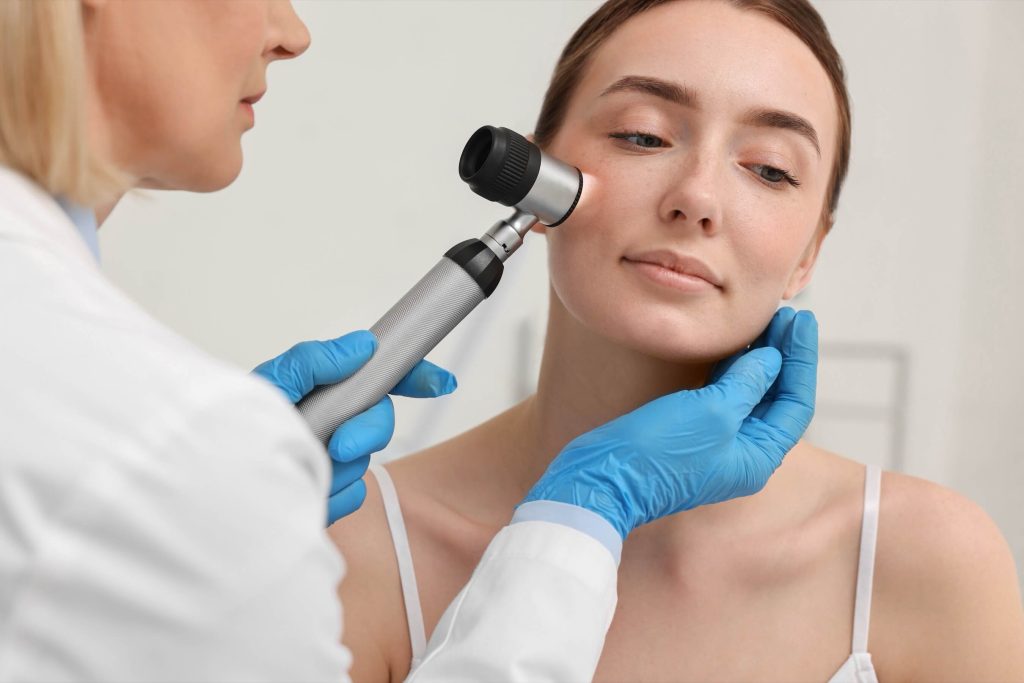
Basal cell carcinoma has a very low risk of metastasizing (i.e., spreading to other areas of the body). However, the tumor does invade locally and can extend to destroy adjacent skin or underlying structures such as nerves, cartilage, or bone.
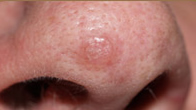
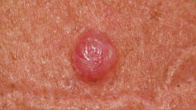
Basal cell carcinoma frequently presents as a pink or pearly growth, a raised patch, an open, non-healing sore, or a scar-like area. They typically grow slowly and may have a history of intermittent bleeding. The diagnosis of basal cell carcinoma is confirmed with a skin biopsy, which is performed using local anesthesia.
Treatment
Topical Treatment
Topical prescription medications, such as Aldara or Efudex Creams, may be used to treat superficial basal cell carcinoma in certain anatomic regions, such as the chest and back. The advantage of these creams is that they are a non-surgical approach, which may minimize the risk of scarring. The disadvantages of these creams is that they must be applied for four to six weeks or longer, they may cause a significant degree of irritation, and they have a lower cure rate (70%) than the surgical treatment options.
Curettage and Electrodesiccation
This procedure uses a surgical instrument (curette) to scrape the cancer cells away from the skin surface, followed by burning the skin surface with an electric needle. The wound is allowed to heal without suturing. This procedure has a cure rate of 90%. One disadvantage of this procedure is that it may result in a whitish scar, which may be depressed.
Radiation
Radiation is an effective treatment for basal cell skin cancer, with a cure rate of approximately 90%. One advantage of radiation treatment is the avoidance of a surgical procedure. Disadvantages of radiation include the need for a series of treatments over a several week period. In addition, the skin may develop radiation changes (loss of pigmentation and a shiny appearance). These changes may occur several years after the radiation is completed. Radiation is often recommended for patients who are suboptimal surgical candidates.
Excisional Surgery
This involves the surgical removal of the tumor using local anesthesia and closure of the wound with sutures. The excised specimen is submitted for pathology processing to be certain that the cancer is completely removed. The pathology results typically take several days to become available. The cure rate with this procedure is approximately 90%.
Excisional Surgery with Conventional Frozen Section Margin Control
This procedure, which is often performed in a hospital setting, involves checking the pathology with conventional (non-Mohs) frozen sections prior to closing the surgical wound. If tumor extends to the edges of the specimen, additional tissue is removed prior to closing the wound. This method does not examine 100% of the surgical margins, and thus the potential exists for cancer cells to be undetected at the wound edges. Conventional frozen section margin control provides a cure rate of approximately 95%.
Mohs Micrographic Surgery
Mohs micrographic surgery provides the highest possible cure rate of all treatments for basal cell carcinoma, with a cure rate of greater than 98% for previously untreated tumors. The procedure is performed in the office using local anesthesia. With Mohs micrographic surgery, the pathology is processed using frozen sections prior to closing the wound. If the tumor extends to the wound edges, an additional layer of tissue is removed and processed. The tissue processing with Mohs Surgery is more thorough than conventional frozen section margin control. With Mohs, 100% of the surgical margins are assessed, which accounts for the higher cure rate with Mohs surgery. Mohs surgery also preserves the greatest amount of healthy skin, resulting in the smallest possible surgical defect. One disadvantage of Mohs Micrographic surgery is the potential length of the procedure, which may take several hours to complete.
Erivedge
Erivedge was FDA approved in January of 2012 for the treatment of advanced Basal Cell Carcinoma (BCC) that has spread to other parts of the body (metastasized) or cannot be treated with surgery or radiation. Erivedge is an oral medication that is taken once daily for 24 weeks and will reduce the size of the tumor in 30% of metastatic BCC’s and 40% of localized BCC’s. Side effects include severe birth defects or death of fetus in men or women of childbearing potential, muscle spasms, hair loss, change in how things taste or loss of taste, weight loss, fatigue, nausea, diarrhea, decreased appetite, constipation, vomiting, and joint aches.
Provided at These Locations

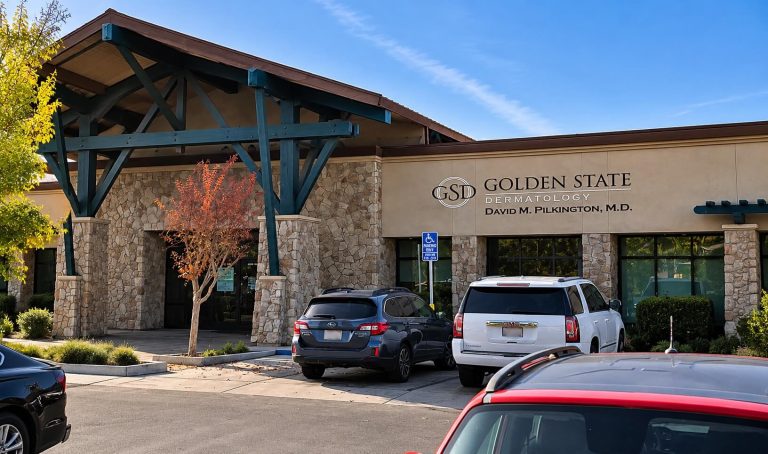
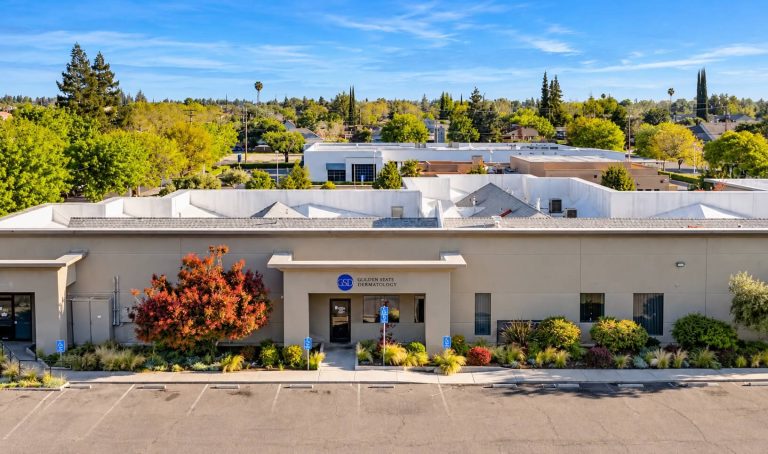
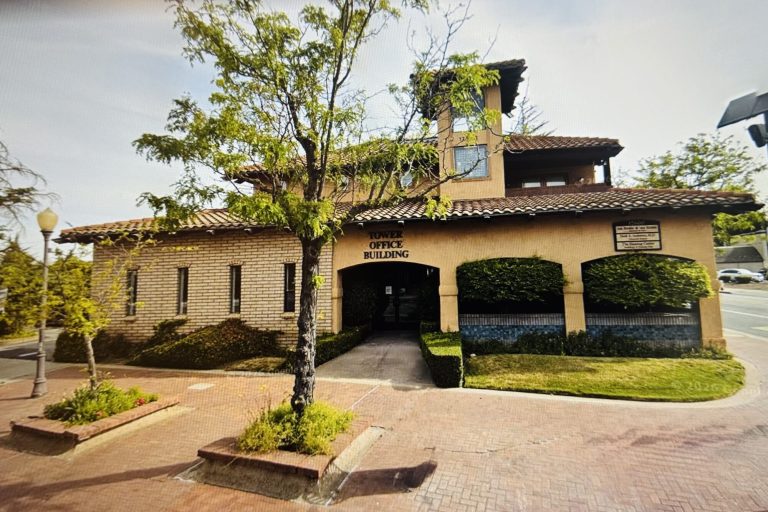

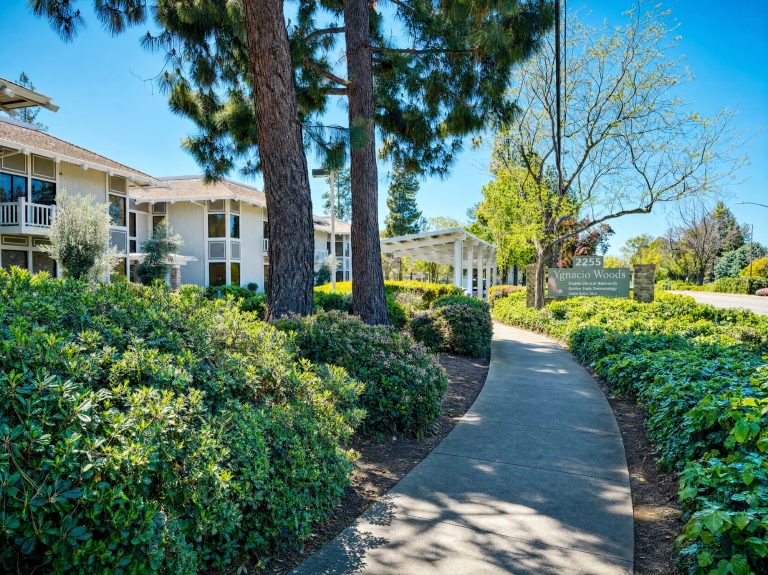
Walnut Creek – Ygnacio Valley
2255 Ygnacio Valley Road, Ste. B-1
Walnut Creek, CA 94598