

Dermatology
Skin Cancer
Skin cancer is a prevalent concern for many Americans, with over one million cases diagnosed each year. Despite the fact that the majority of skin cancers are caused by excessive exposure to ultraviolet (UV) radiation from the sun, fewer than one-third of adults, adolescents, and children regularly use sun protection.
At Golden State Dermatology, our dermatologists specialize in skin cancer treatment and reconstruction, providing patients with the highest quality care and support.
What is Skin Cancer?
Skin cancer is an abnormal growth of skin cells, typically caused by overexposure to UV radiation from the sun. While anyone can develop skin cancer, certain risk factors increase the likelihood of developing the condition.
These include:
- Fair skin
- Blonde or red hair
- Blue or green eyes
- A history of sunburns
- Excessive sun exposure
- A family history of skin cancer
It is important to note that even people without these risk factors should take precautions to protect their skin from UV radiation, such as using sunscreen daily and minimizing sun exposure during peak hours.
What Are the Different Types of Skin Cancer?
There are several types of skin cancer, each with its own characteristics and treatment options. The most common types include:
Basal Cell Carcinoma
Basal cell carcinoma (BCC) is the most common form of skin cancer. Basal cell carcinoma typically appears as a small, pearly bump or a flat, flesh-colored or brown lesion on sun-exposed areas of the skin, such as the face, ears, neck, and hands.
This type of skin cancer grows slowly and rarely spreads to other parts of the body, making it highly treatable when detected early.
Squamous Cell Carcinoma
Squamous cell carcinoma (SCC) is the second most common type of skin cancer. It often appears as a firm, red nodule or a flat lesion with a scaly, crusted surface on sun-exposed areas of the skin.
Squamous cell carcinoma is more aggressive than basal cell carcinoma and has a higher risk of spreading to other parts of the body if left untreated. However, when detected and treated early, squamous cell carcinoma is highly curable.
Melanoma
Melanoma is a more serious form of skin cancer that develops in the melanocytes, the cells that produce the pigment that gives skin its color. Melanoma often appears as a new or changing mole, with irregular borders, asymmetry, and variations in color.
While melanoma is less common than basal cell and squamous cell, it is more aggressive and has a higher risk of spreading to other parts of the body if not detected and treated early. Early detection is crucial for the successful treatment of melanoma.
Actinic Keratoses
Actinic keratoses (AKs) are precancerous lesions that develop on sun-exposed areas of the skin. They appear as rough, scaly patches that may be red, pink, or brown in color.
While AKs are not skin cancer, they have the potential to develop into squamous cell carcinoma if left untreated. Regular monitoring and treatment of actinic keratoses can help prevent the development of squamous cell carcinoma.
How is Skin Cancer Diagnosed?
Early detection is key to the successful treatment of skin cancer. Regular skin checks, both self-examinations and professional evaluations with your dermatologist at Golden State Dermatology, can help identify skin cancer in its earliest stages when it is most treatable.
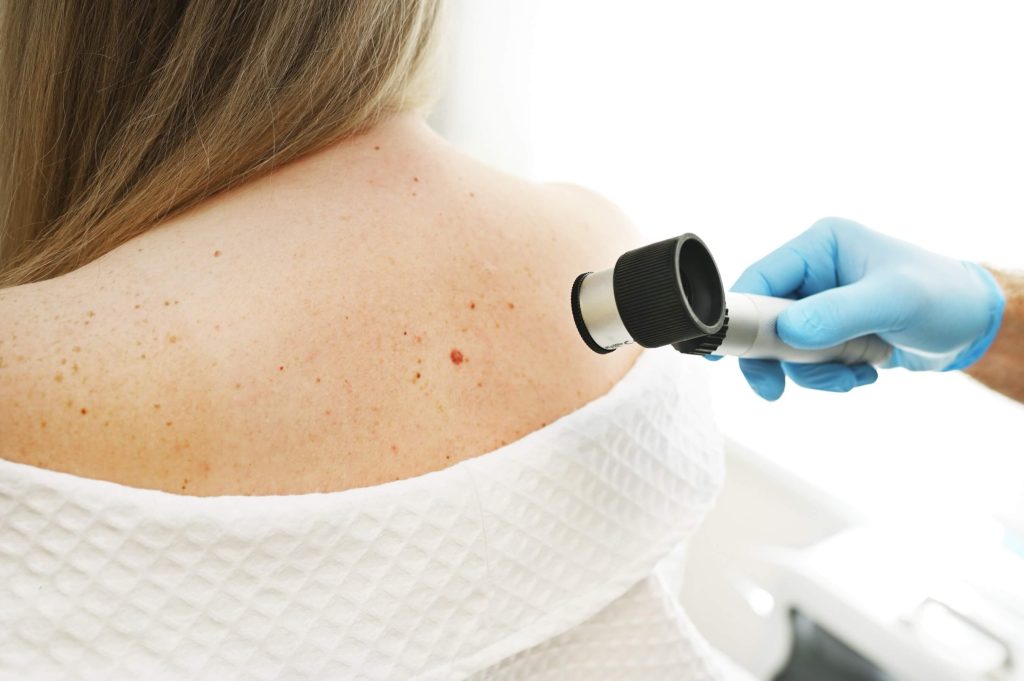
During a professional skin check, your dermatologist will carefully examine your skin for any suspicious lesions, using a dermatoscope to magnify and illuminate the skin. If any concerning lesions are identified, the healthcare provider may perform a biopsy to determine if the lesion is cancerous.
When examining the skin, your dermatologist will look for the following:
Asymmetry: One half of the lesion does not match the other half.
Border: The edges of the lesion are irregular, ragged, or blurred.
Color: The color of the lesion is not uniform and may include shades of brown, black, pink, white, or blue.
Diameter: The lesion is larger than 6 millimeters (about the size of a pencil eraser).
Evolution: The lesion changes in size, shape, or color over time.
If you notice any of these signs yourself, you should schedule an appointment with your dermatologist at Golden State Dermatology in San Francisco, California, for a professional evaluation.
What Treatments Are Available for Skin Cancer?
The treatment options for skin cancer depend on various factors, including the type and stage of the cancer, the location and size of the lesion, and the patient’s overall health. At Golden State Dermatology, our skin cancer specialists offer a variety of treatment options, including:
Mohs Surgery
Mohs micrographic surgery is a highly effective treatment for skin cancer, particularly for BCC and SCC. During Mohs surgery, the surgeon removes the cancerous tissue layer by layer, examining each layer under a microscope to ensure that all cancerous cells have been removed.
This technique allows for the preservation of as much healthy tissue as possible, minimizing scarring and other complications.
Skin Cancer Reconstruction
After Mohs surgery or other skin cancer treatments, reconstructive surgery may be necessary to restore the appearance and function of the affected area. Our skilled surgeons are experienced in repairing defects caused by skin cancer treatment, working to ensure the best possible cosmetic and functional outcomes for our patients.
Reconstructive techniques may include local flaps, skin grafts, or other advanced procedures, depending on the specific needs of the patient. The most appropriate treatment option will depend on the specific type and stage of skin cancer, as well as the individual needs and preferences of the patient.
Do you want to learn more about skin cancer or have your skin checked? Schedule an appointment at Golden State Dermatology in one of our convenient locations today!
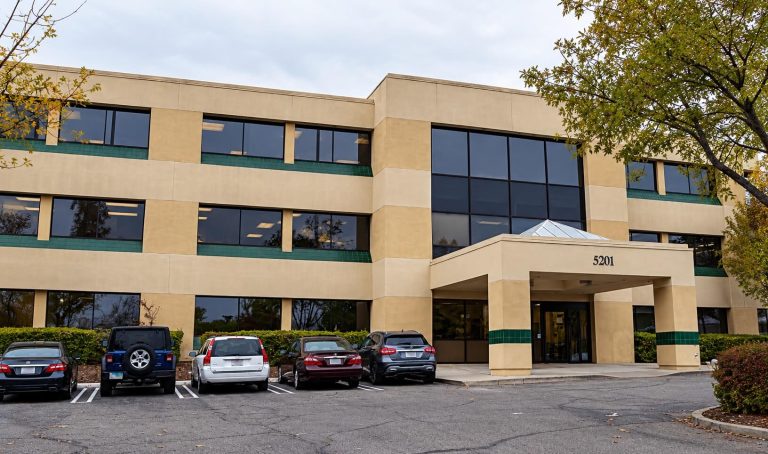
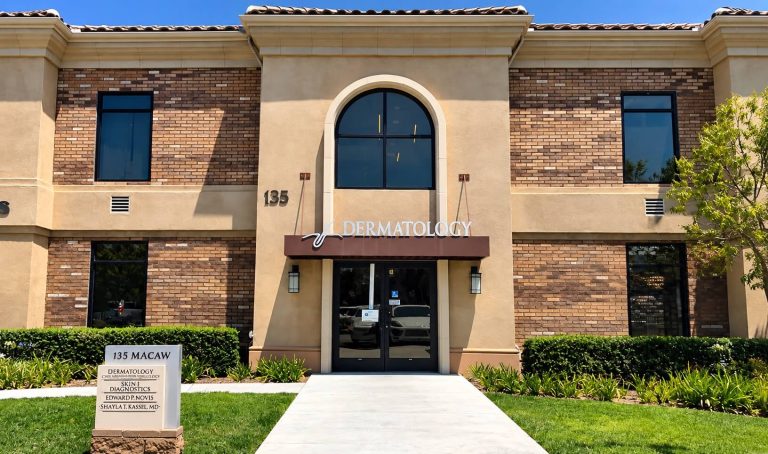
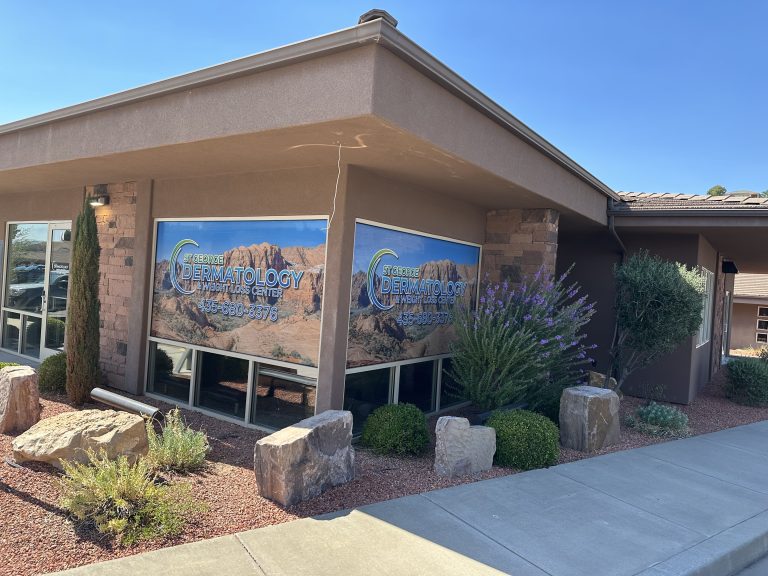
Provided at These Locations

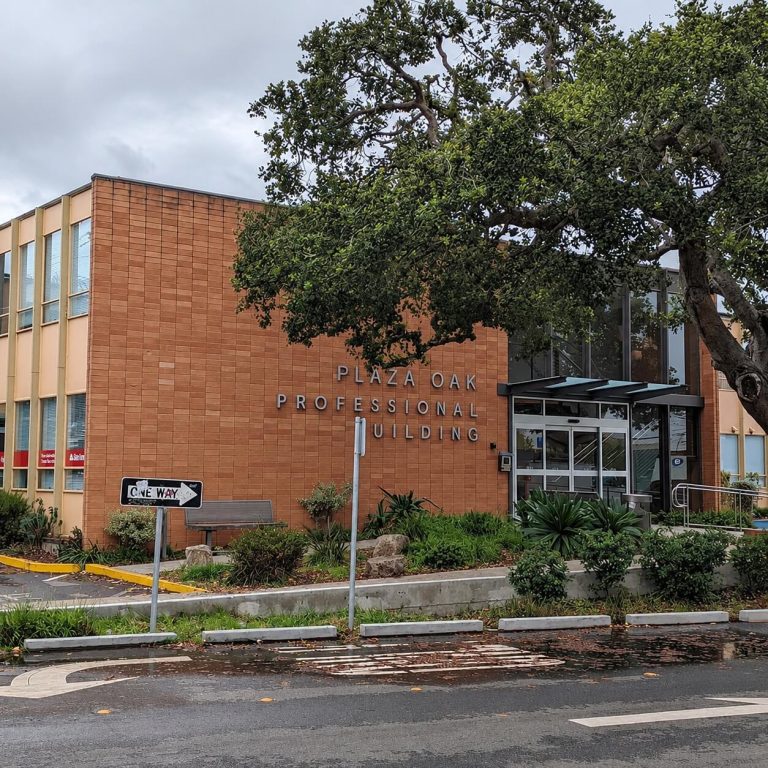
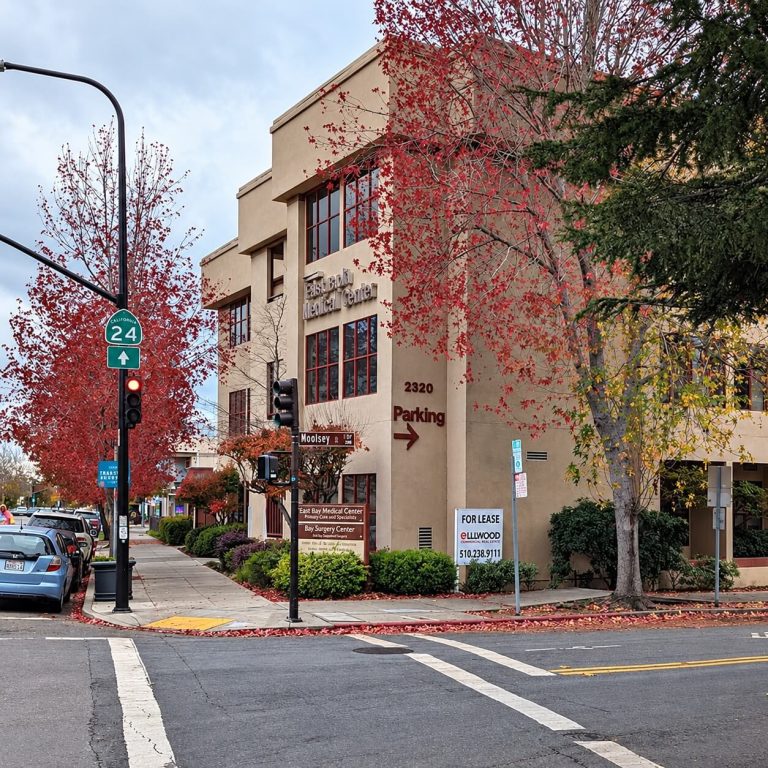



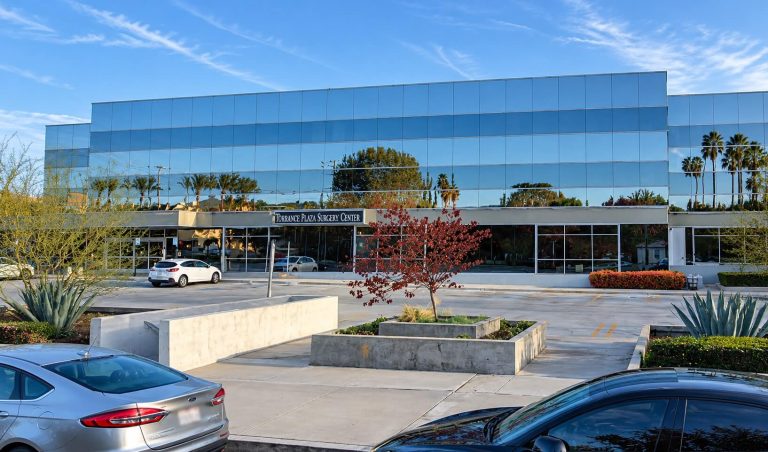
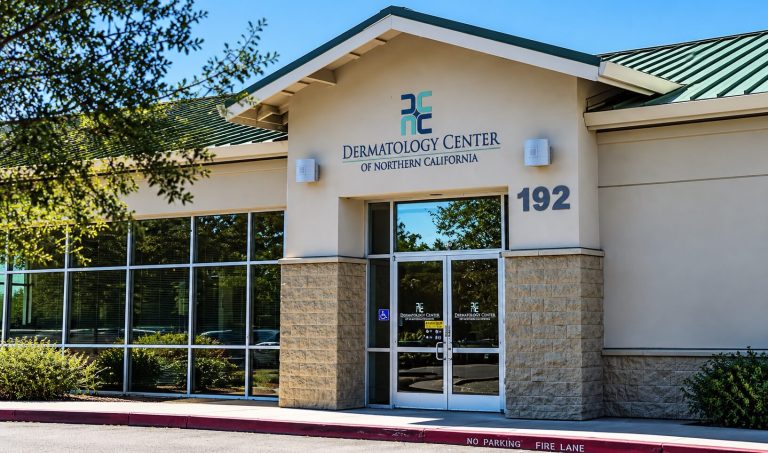

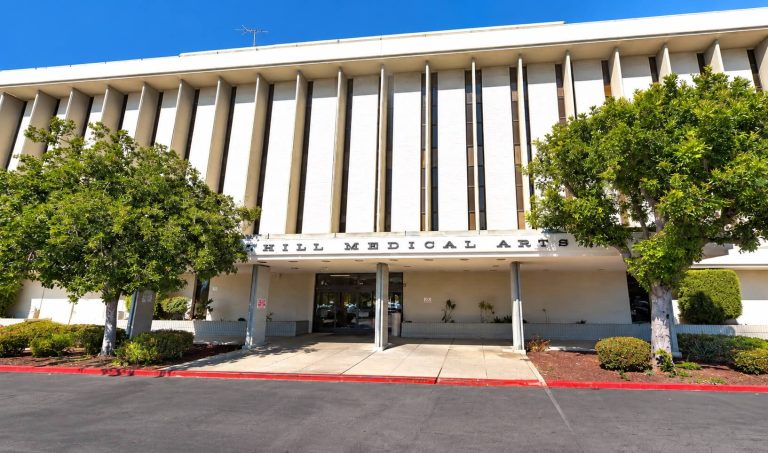
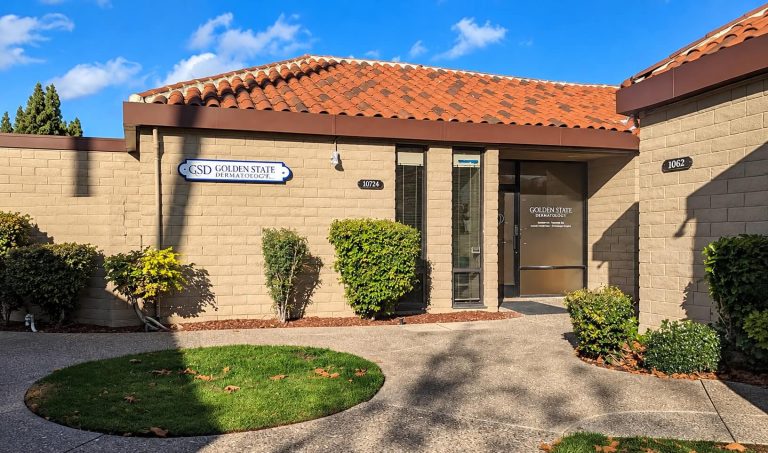
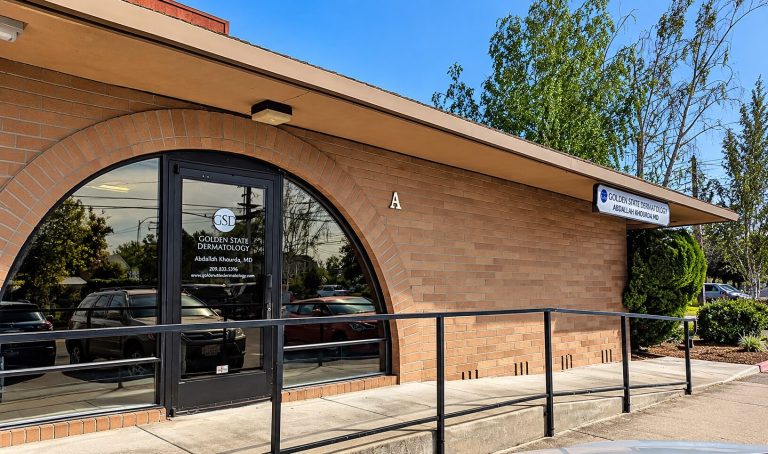
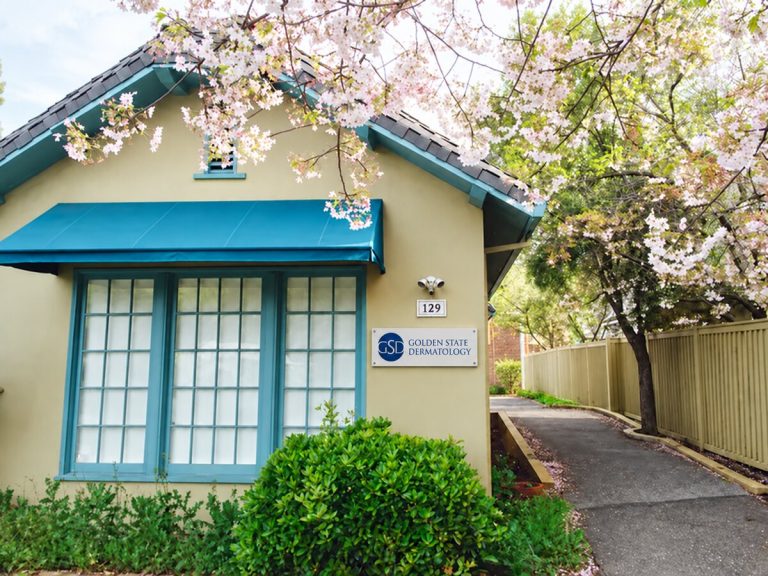

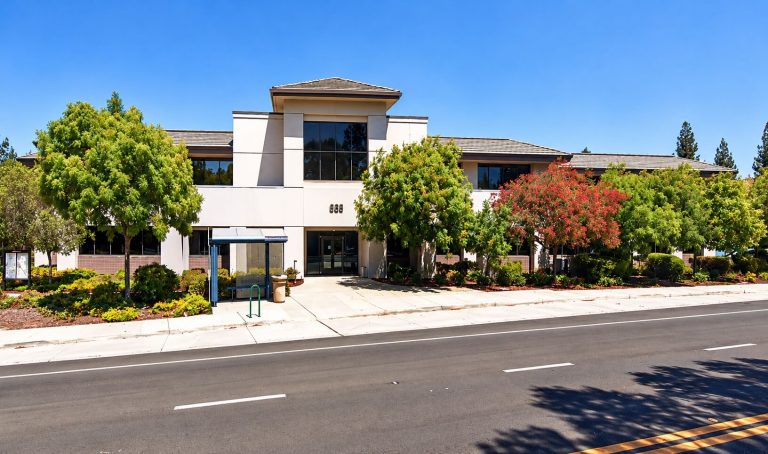
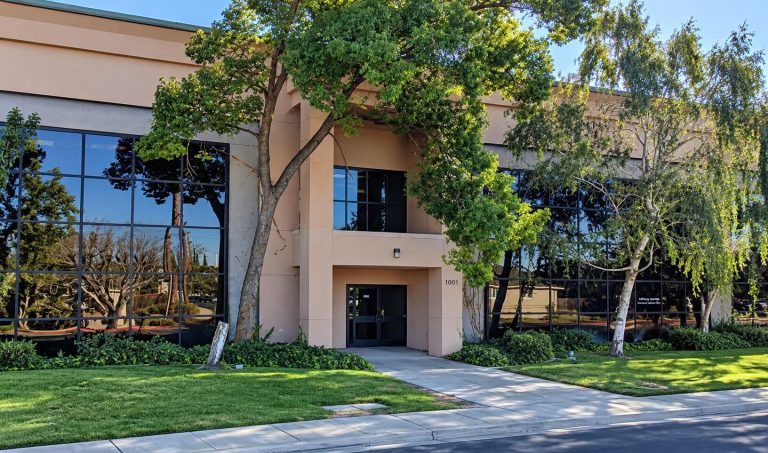
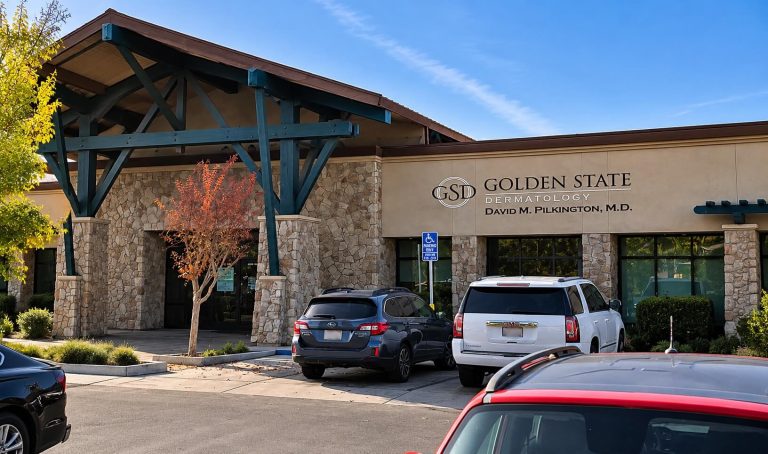
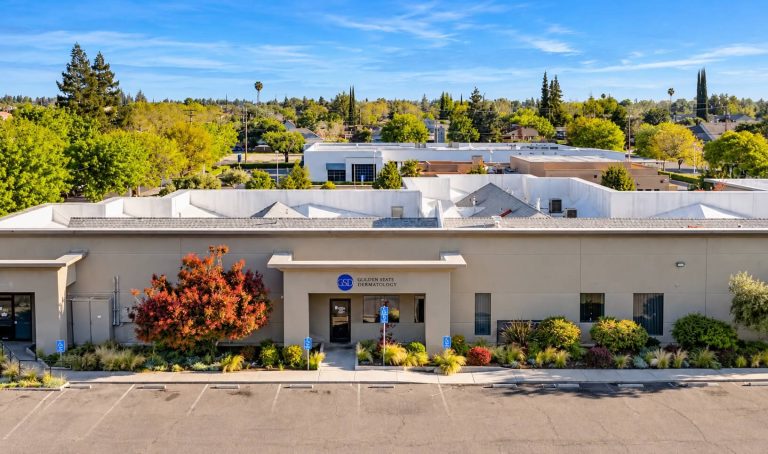
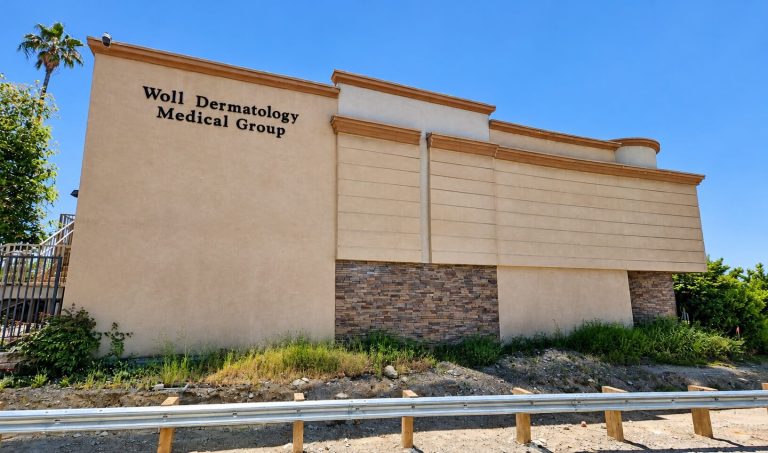
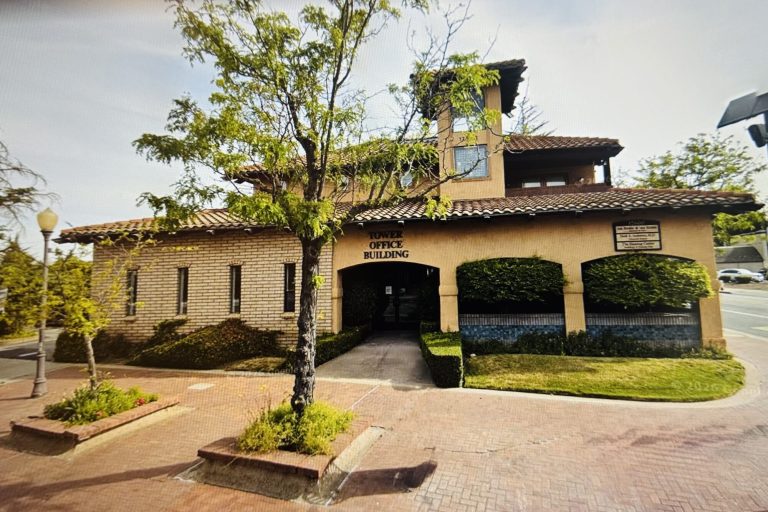
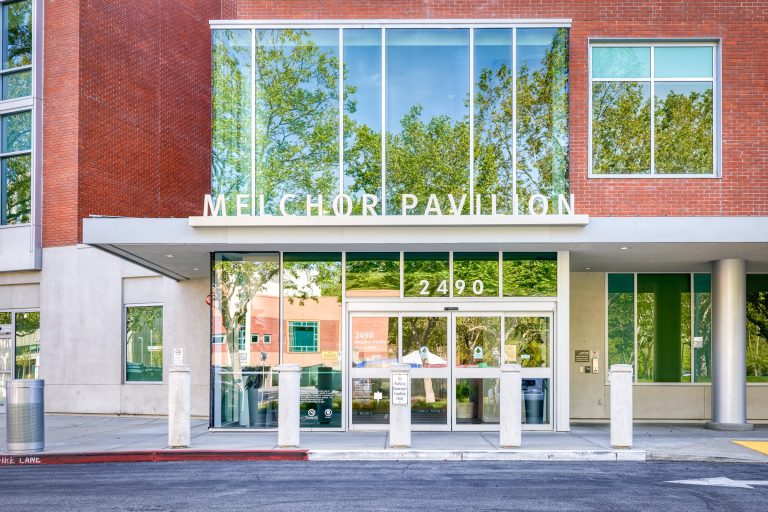
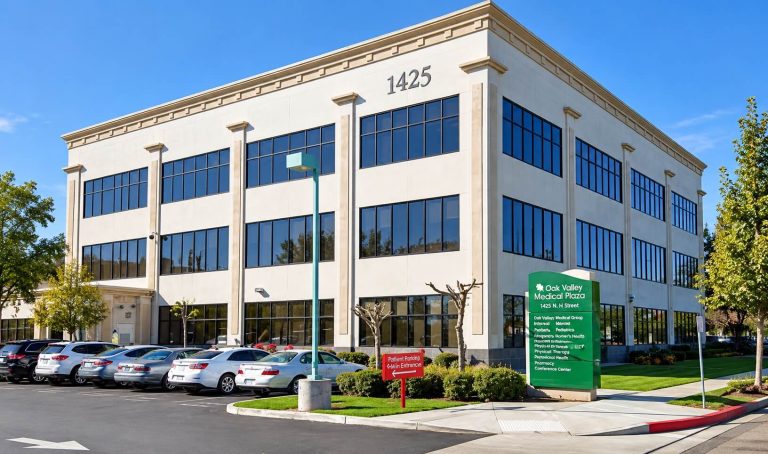
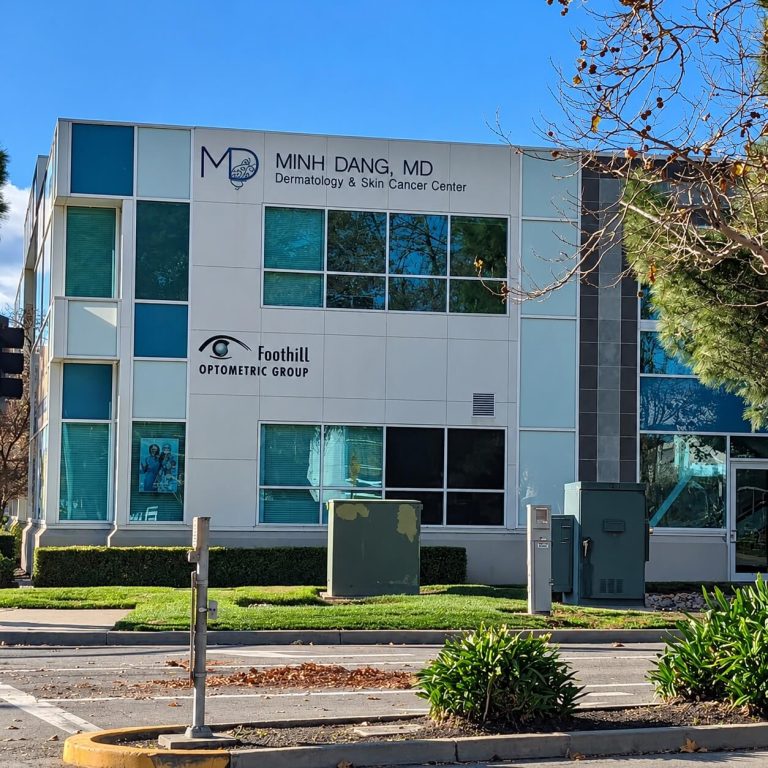
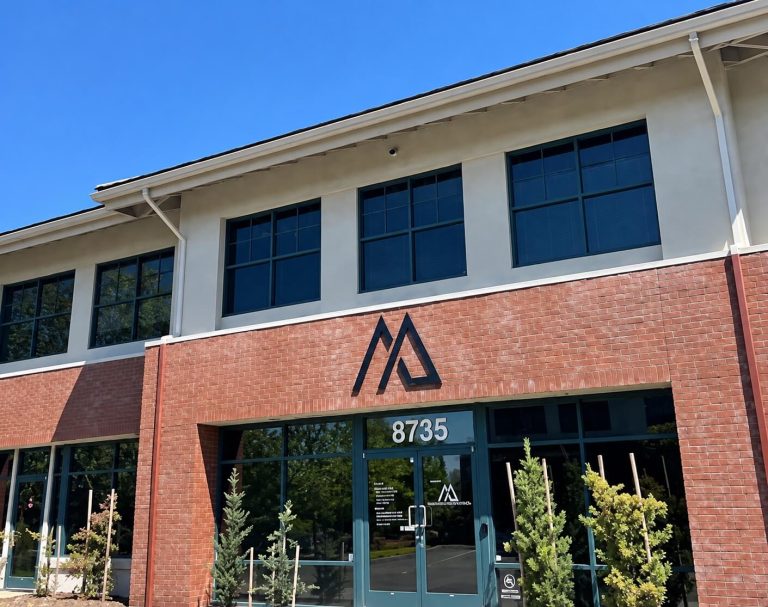
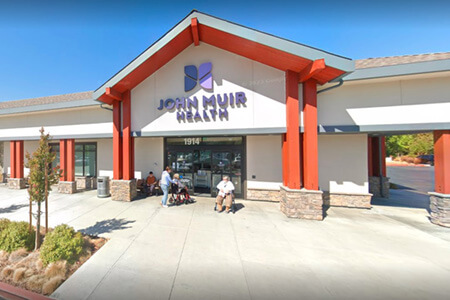
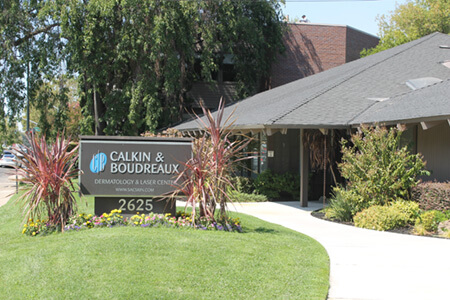
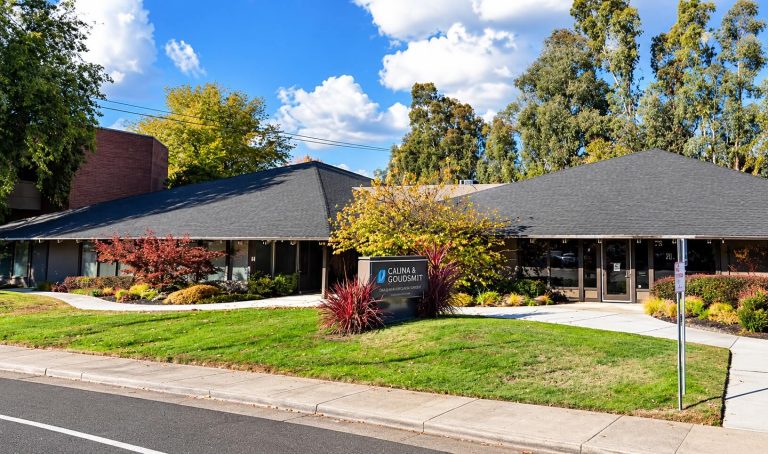

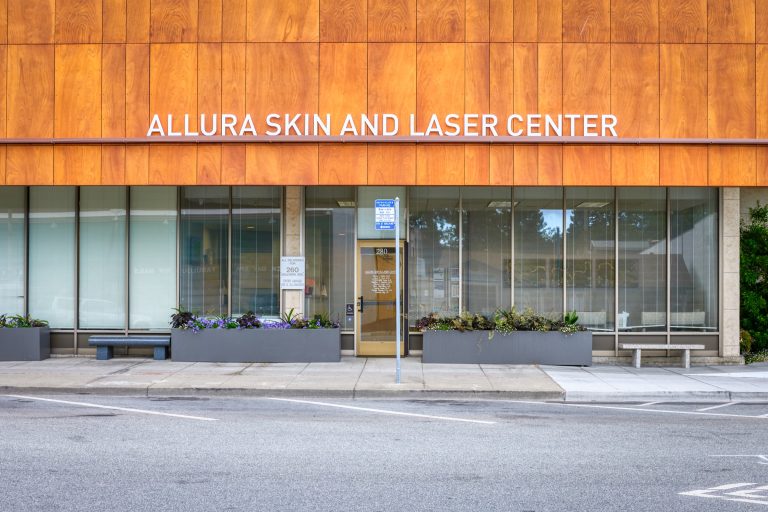

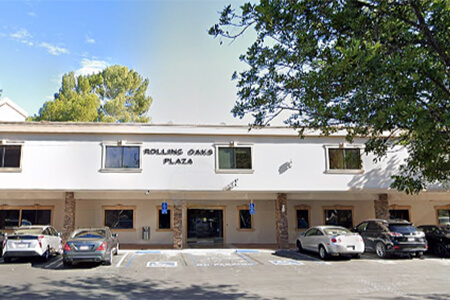
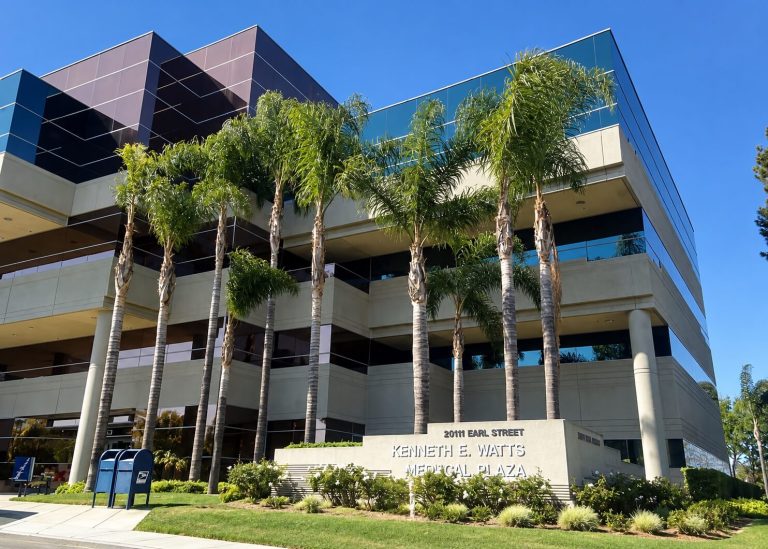
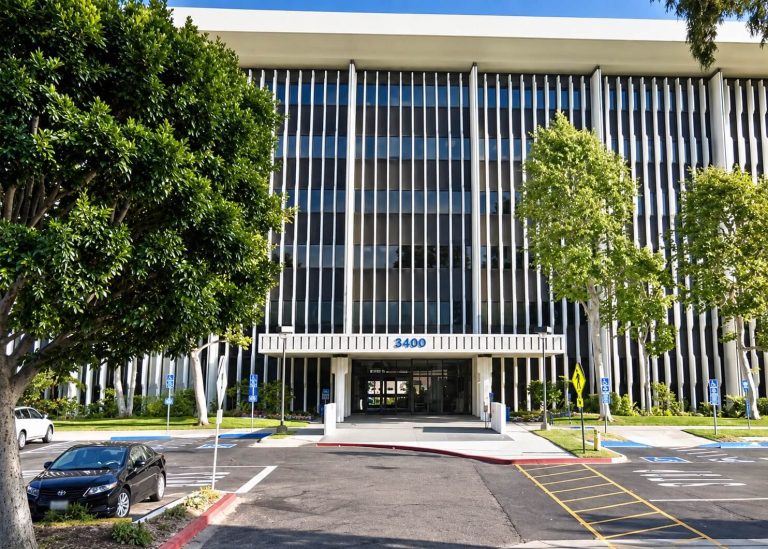
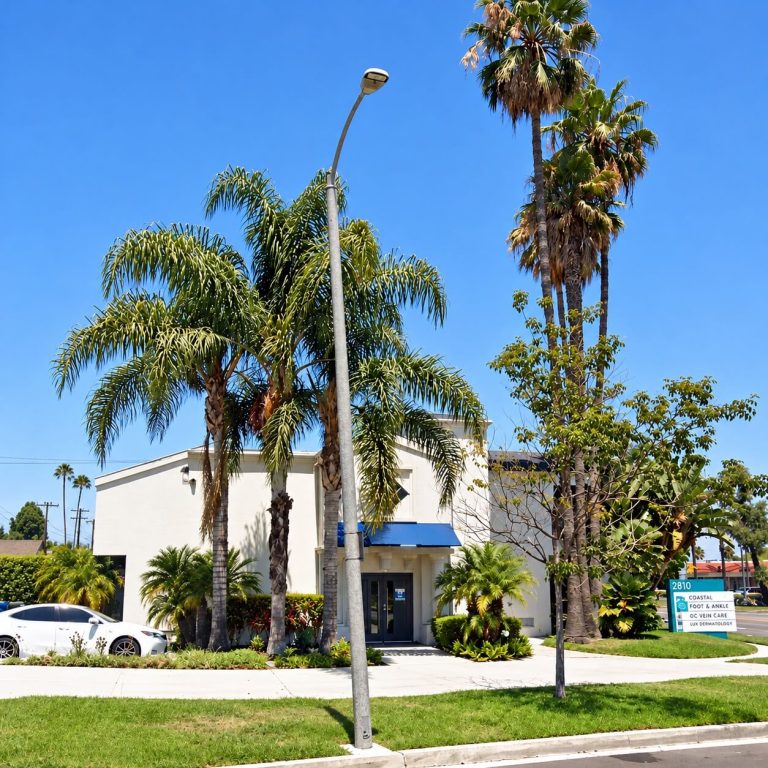
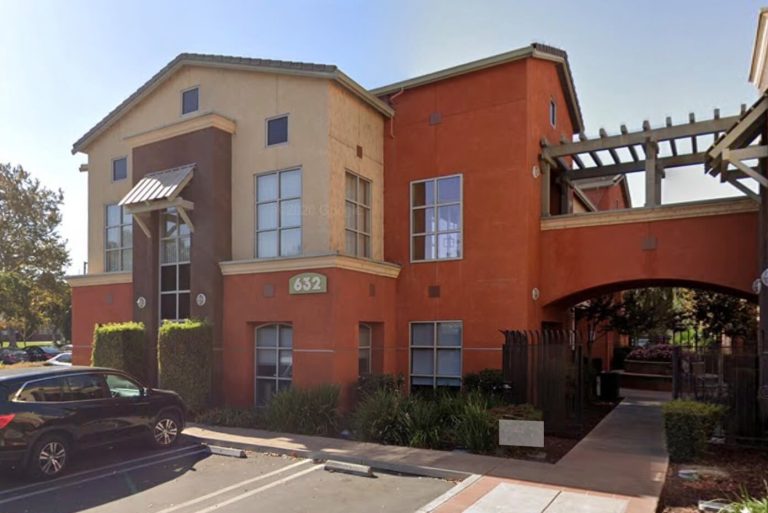

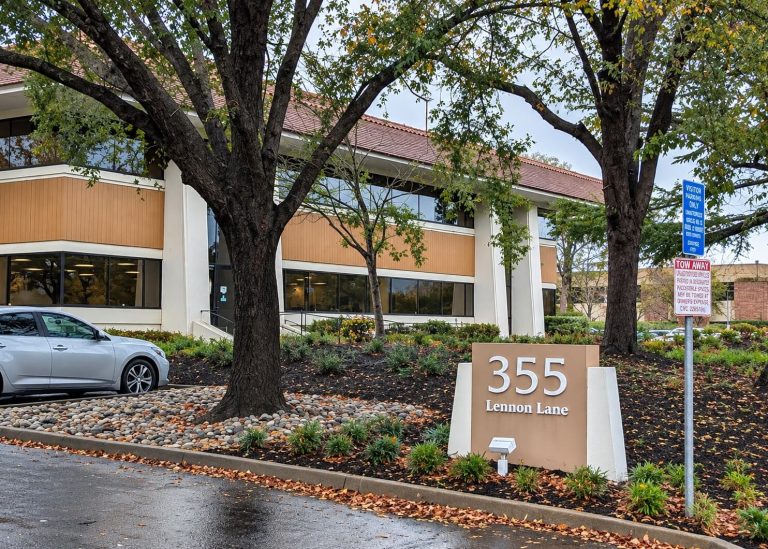
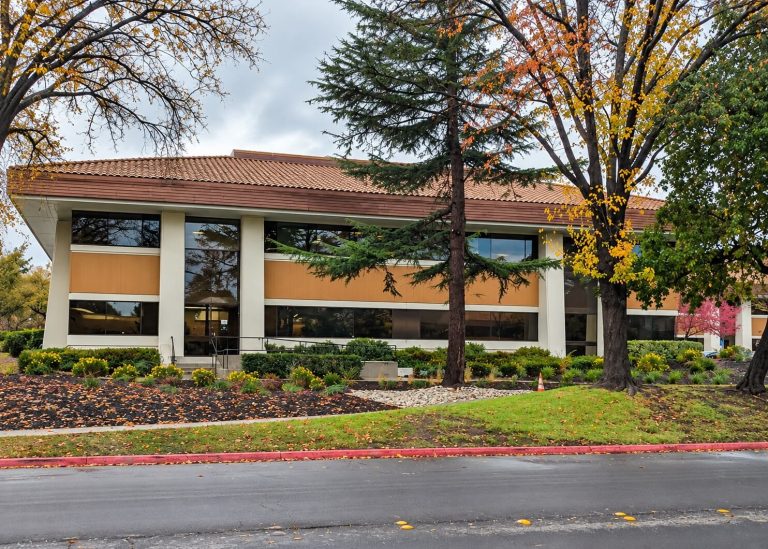

Walnut Creek – Ygnacio Valley
2255 Ygnacio Valley Road, Ste. B-1
Walnut Creek, CA 94598